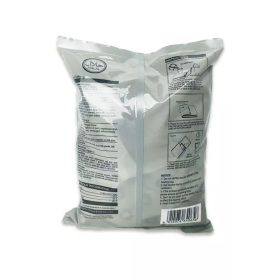
Food Autonomy in Emergency Situations
Modern supply chains are efficient but fragile. A simple strike, a regional power outage, or a storm can be enough to disrupt access to essential goods.
Having three survival rations per person ensures a minimum autonomy of 72 hours — a crucial time frame before things return to normal or emergency services intervene.
These rations are compact, balanced, and designed to provide the necessary energy to maintain vital functions, even without cooking. They meet daily nutritional needs while being able to last for several years.
A Simple Gesture for True Resilience
Storing a few rations in a dry and accessible place requires neither space nor special maintenance. The modern rations are lightweight, airtight, and ready to consume.
They easily fit into an emergency kit, an evacuation bag, or a car trunk.
Having these reserves also means being able to help a friend or neighbor in difficulty. In a crisis context, individual preparation strengthens collective solidarity.
Choosing the Right Survival Rations
Favor quality products that are rich in calories, with a good balance between carbohydrates, proteins, and fats.
The military rations, civilian survival packs, or emergency food kits offered by specialized manufacturers provide an excellent compromise between compactness and nutritional value.
Some rations also include drinks, vitamin supplements, or energy bars, which are useful for varying intake and reducing fatigue.
A Responsible and Sustainable Habit
Thinking about your safety and that of your family is not paranoid: it is a responsible approach.
Just as you keep a first aid kit or a flashlight,survival rations are part of the essentials of the modern home.
By adopting this habit, you develop a form of personal and community resilience, capable of making a difference during an unforeseen event.
Products mentioned in this post