Introduction
In an emergency situation, every minute counts. Whether you're lost while hiking, at sea, or facing an accident, knowing how to correctly signal your location can make all the difference between being rescued quickly... or waiting for hours, even days.
In this article, we provide you with the essential methods to effectively indicate your location, even without a network or sophisticated equipment.
1. Using Available Technological Means
- Mobile Phone
-
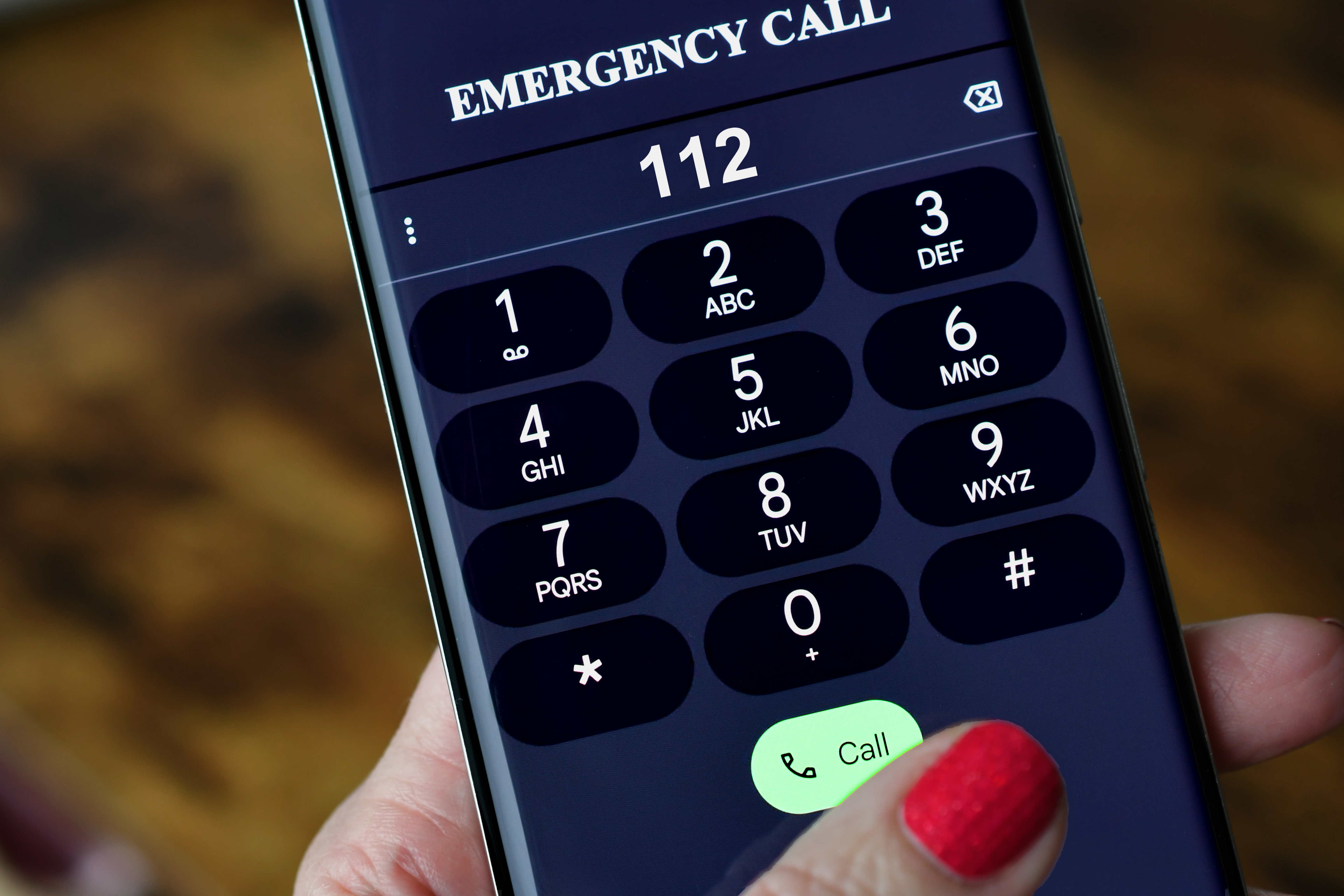
Call 112 (the European emergency number, available even without credit or a plan).
-
Activate geolocation if the network is available.
-
Send a distress SMS if the call doesn’t go through (lower network consumption).
? Tip: On smartphones, some models allow you to automatically send your GPS coordinates with the “Emergency SOS” function.
- Emergency Beacons and GPS
-
Personal Locator Beacon (PLB): emits a satellite signal with your exact coordinates.
-
GPS App / Smartwatch: some apps allow you to share your real-time location.
2. Visual Signals in the Wild
If technology is not available, use what you have at hand.
-
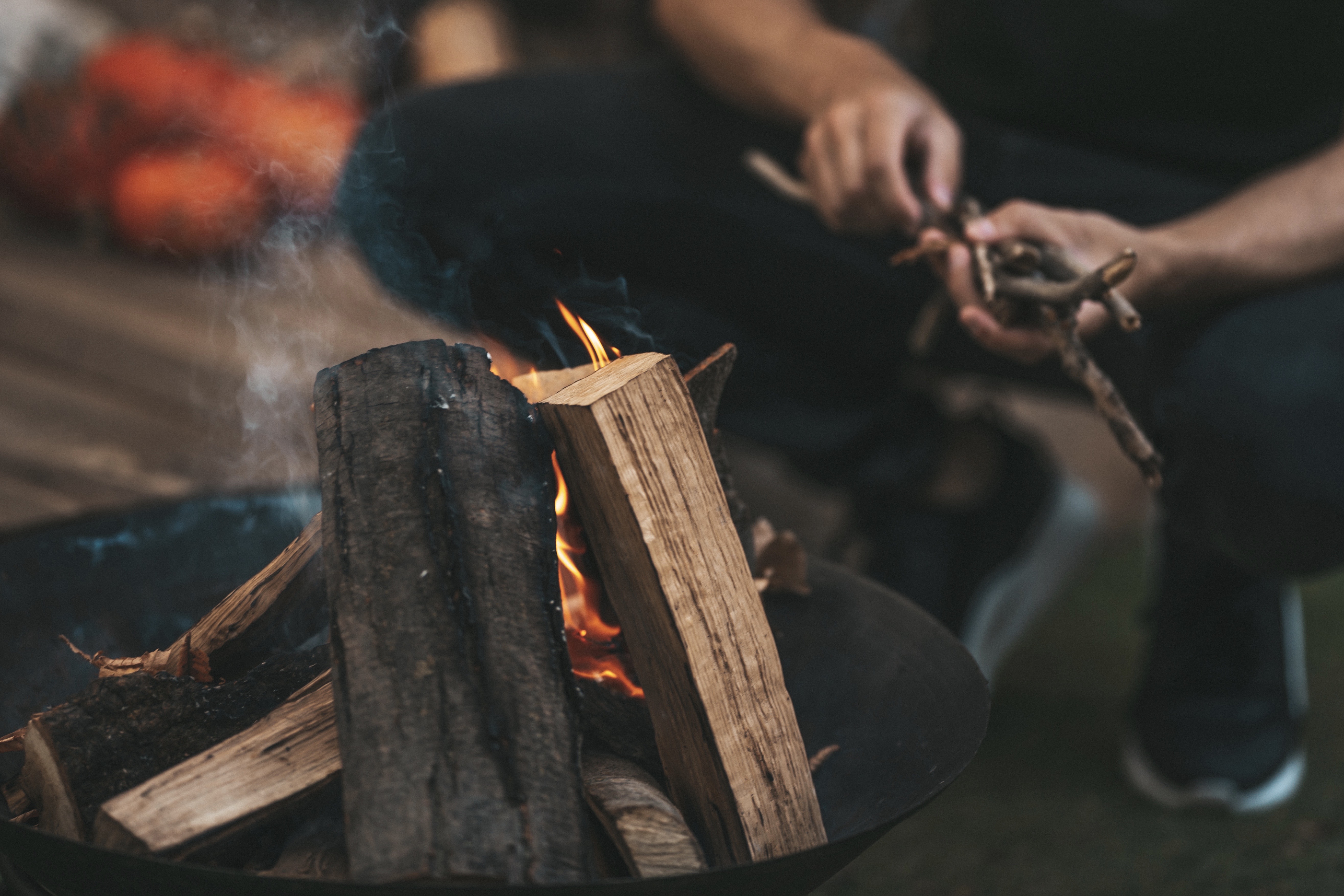
Fire: three fires in a line = international distress signal.
-
Mirror or Reflective Object: useful during the day to send light flashes.
-
Colorful Clothing: lay out a bright fabric on the ground or elevated to be spotted by rescuers.
-
Ground Shapes: trace a large SOS or an X with stones, wood, or snow.
3. Sound Signals
-
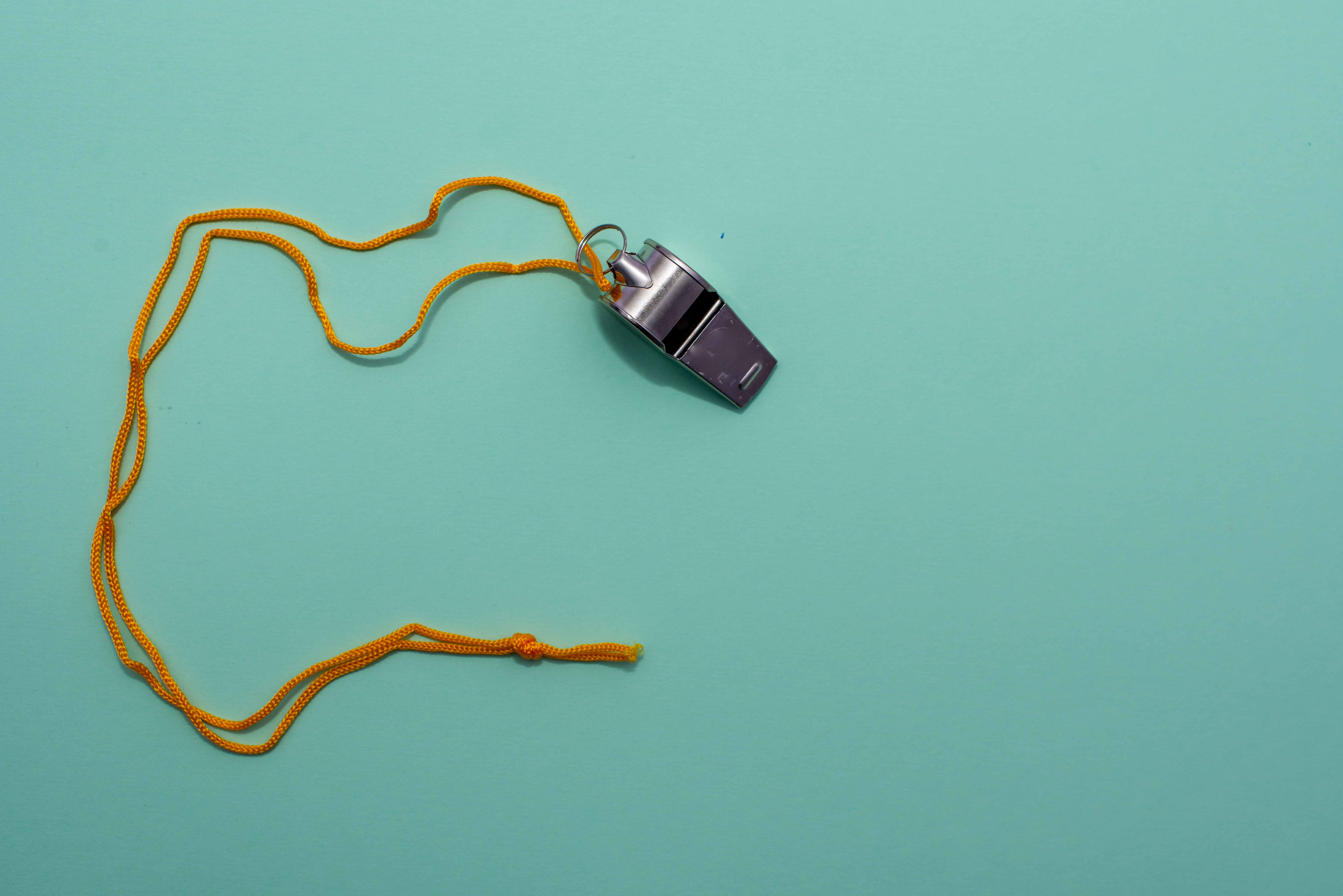
Survival Whistle: three short blasts repeated regularly = universal distress call.
-
Knocking (on a tree trunk, a wall, a metal object): three close knocks, pause, three knocks.
-
Voice: shouting uses energy, prefer regular and powerful sounds.
4. Specific Communication Techniques
-
Aeronautical Distress Code:
-
Raised arms in "Y" = need help.
-
One arm raised and the other lowered = all is well.
-
-
At Sea: wave your arms, use a flashlight or a hand flare (distress flare).
5. Tips to Maximize Your Chances
✔️ Always inform someone of your itinerary before you leave.
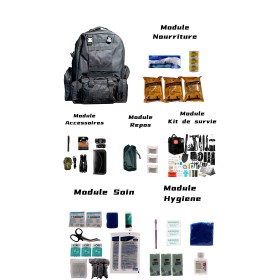
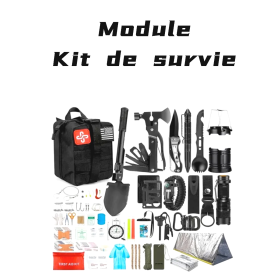
✔️ Carry a minimum survival kit (whistle, mirror, flashlight, survival blanket) with you.
✔️ Stay visible: do not hide under dense shelter if you are waiting for rescue.
✔️ Conserve your energy and stay hydrated.
Conclusion
Signaling your position to be rescued is an essential survival skill.
By combining modern technology and traditional methods, you significantly increase your chances of being quickly spotted.
? The golden rule: prepare before the adventure, because in an emergency, every action counts.
Products mentioned in this post